Tag: digital insurance

  • Wearables and Life Insurance: How Fitness Data Affects Your Rates

    Wearables and Life Insurance: How Fitness Data Affects Your Rates

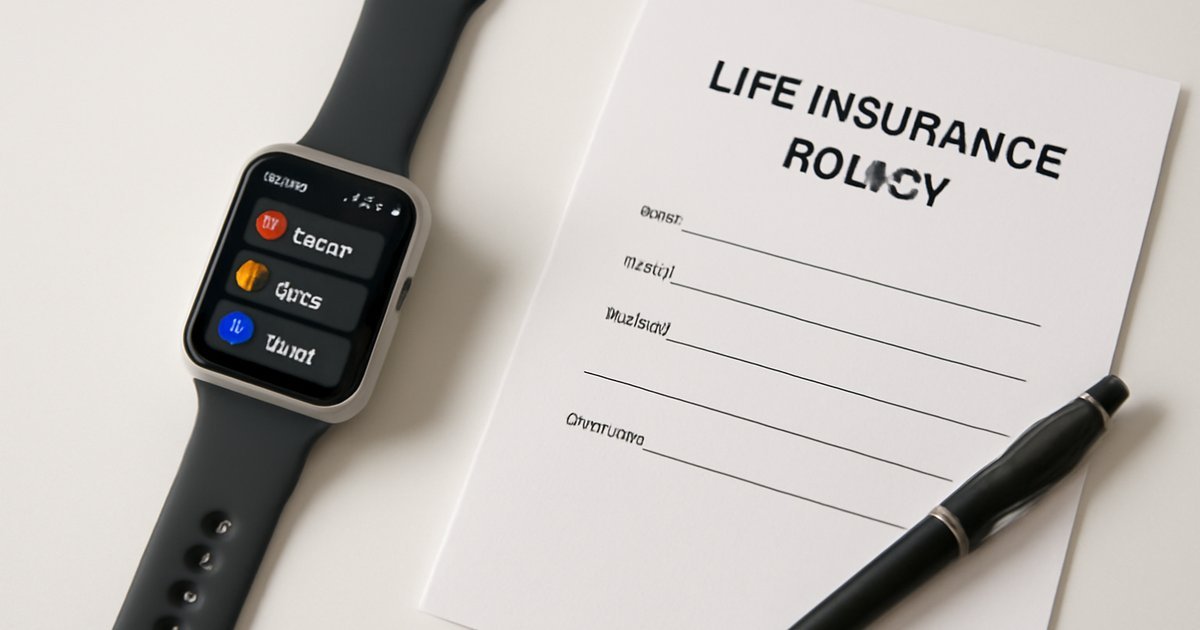
    Your smartwatch might be doing more than counting steps — it could be reshaping how insurers calculate your life insurance premiums.

    If you own a fitness tracker or smartwatch, you already know it monitors your heart rate, sleep patterns, daily steps, and sometimes even your blood oxygen levels. But here’s something millions of Americans are only beginning to realize: that same data is becoming a powerful currency in the life insurance industry.

    According to a 2025 Accenture report, over 60% of US life insurers are now actively investing in wearable data integration programs — a dramatic jump from just 18% in 2019. This isn’t a distant future trend. It’s happening right now, and whether you benefit from it or get left behind depends largely on how well you understand the system.

    This article explains exactly how wearable technology and life insurance intersect, what data insurers collect and why, how fitness tracking can lower (or raise) your premiums, and what privacy trade-offs you’re making when you opt into these programs. By the end, you’ll know whether sharing your health data with an insurer is actually worth it.

    What Is Wearable-Linked Life Insurance?

    Wearable-linked life insurance — sometimes called data-driven life insurance or behavioral underwriting — is a model where insurers use real-time health data from devices like the Apple Watch, Fitbit, Garmin, or WHOOP to adjust or reward policyholders based on lifestyle habits.

    Traditional life insurance underwriting relies on snapshots: a one-time medical exam, your age, your family history, and answers to a questionnaire. That approach essentially freezes a picture of your health at a single moment in time and prices your policy around it for decades.

    Wearable-linked programs flip that model. Instead of a one-time snapshot, they use longitudinal health data — meaning ongoing streams of behavioral information — to create a dynamic risk profile. Think of it as moving from a photograph to a live video feed of your health.

    Major insurers including John Hancock (through its Vitality program), Manulife, and AIA have already deployed these programs at scale. John Hancock’s Vitality platform, for example, rewards policyholders with points for hitting daily step goals, which can translate into premium discounts, Amazon gift cards, or Apple Watch credits.

    According to IDC, the global market for insurance-linked wearable programs is projected to exceed $6.8 billion by 2027, driven heavily by adoption in the United States and the United Kingdom.

    How Fitness Trackers Feed Into Insurance Underwriting

    Understanding what data flows where — and how it influences pricing — is essential before you opt into any program.

    The data types most commonly collected include:

    • Step count and daily activity levels — The most common metric. Insurers typically reward consistent movement above 7,000–10,000 steps per day.
    • Resting heart rate — A strong predictor of cardiovascular health. Lower resting heart rates often correlate with reduced mortality risk.
    • Sleep duration and quality — Poor sleep is linked to heart disease, diabetes, and mental health conditions — all factors insurers care about.
    • Heart rate variability (HRV) — A more advanced metric gaining traction, HRV measures the variation in time between heartbeats and is considered a strong indicator of overall stress and autonomic nervous system health.
    • Blood oxygen saturation (SpO2) — Tracked by newer devices, this data is increasingly relevant for flagging respiratory conditions.
    • Workout frequency and intensity — Whether you log structured exercise sessions matters as much as passive movement.

    In most opt-in programs, this data flows from your device’s companion app (Apple Health, Fitbit app, Garmin Connect) through a third-party health data aggregator — often a company like Human API or Validic — and then to your insurer’s underwriting or wellness platform.

    A 2024 study published in the Journal of Risk and Insurance found that policyholders who consistently met activity benchmarks showed a 14% lower all-cause mortality rate over a seven-year follow-up period compared to sedentary policyholders — which is exactly the kind of actuarial signal that justifies premium discounts.

    Pros and Cons of Sharing Your Fitness Data With Insurers

    This is where things get genuinely complex. The benefits are real, but so are the risks — and most opt-in marketing materials conveniently downplay the latter.

    Pros:

    • Premium discounts and rewards — John Hancock Vitality participants can save up to 15% annually on premiums. Over a 20-year term policy, that adds up to thousands of dollars.
    • Simplified underwriting — Some programs use wearable data to reduce or eliminate the need for a traditional medical exam. This is a significant benefit for people who are healthy but have medical exam anxiety or time constraints.
    • Behavioral nudges toward better health — The gamification built into these programs genuinely motivates some users. A 2025 RAND Corporation study found that wearable wellness program participants increased their weekly physical activity by an average of 34 minutes compared to non-participants.
    • Dynamic premium adjustments — Unlike static policies, some programs allow your rates to improve over time as you demonstrate healthier habits, rather than locking you into your 2026 health profile forever.

    Cons:

    • Data privacy and security exposure — Once your biometric data enters an insurer’s ecosystem, your control over it becomes limited. Data breaches at health data aggregators have already exposed millions of records, and insurance data is a high-value target for hackers. For context, consider reading about Identity Threat Detection and Response to understand how your personal health data can be weaponized if it falls into the wrong hands.
    • Risk of adverse data use — While current regulations like HIPAA and state insurance codes place limits on how health data can be used, the regulatory framework hasn’t fully caught up to behavioral underwriting. There are real concerns that poor sleep data or low activity levels could eventually be used against policyholders at renewal.
    • Device dependency and gaming — Your coverage incentives become tied to device performance. A dead battery, a device upgrade, or app permission changes can accidentally interrupt your data stream and disrupt your reward status.
    • Surveillance creep — Opting into a wellness program today may normalize an expectation of continuous health monitoring. What starts voluntary can become an industry standard that disadvantages those who don’t participate.

    Best Use Cases: Who Should Consider a Wearable-Linked Life Insurance Plan?

    Not everyone benefits equally from these programs. Here’s how to self-identify:

    You’re a strong candidate if:

    • You already wear a fitness tracker daily and consistently hit activity goals. If you’re already generating the data, you might as well be rewarded for it.
    • You’re in your 30s or 40s, relatively healthy, and looking for a new term life policy. The premium discount potential is highest when your baseline health is good and you have decades of coverage ahead.
    • You dislike traditional medical exams. Several wearable-linked programs offer streamlined or exam-free underwriting for applicants with strong activity profiles.
    • You’re a freelancer or self-employed professional who manages costs carefully. The annual savings on premiums can be a meaningful budget line item when you’re paying out of pocket for all your insurance needs. Tools like accounting software for small businesses can help you track and optimize insurance costs as a business expense.

    You should think twice if:

    • You have a health condition that limits your activity levels. These programs are structured around movement benchmarks that may be genuinely unachievable due to disability, chronic illness, or injury.
    • You have serious privacy concerns. If the idea of your insurer having access to your resting heart rate and sleep patterns feels invasive, that instinct is worth honoring.
    • You live in a state with limited regulatory oversight of behavioral underwriting. Always check your state insurance commissioner’s guidance before opting in.

    Pricing: What Wearable-Linked Programs Actually Cost and Save

    Let’s look at concrete numbers, because this decision ultimately comes down to dollars.

    John Hancock Vitality (most widely available in the US):

    • Program fee: Typically $2–$4 per month added to your premium
    • Potential savings: Up to 15% annual premium reduction at Platinum status
    • Apple Watch offer: You can get an Apple Watch for as little as $25 upfront if you meet activity goals in the first two years
    • Rewards include: Amazon gift cards, Hyatt hotel discounts, Vitamix discounts, REI rewards

    What the math looks like: On a $500,000 20-year term policy for a healthy 35-year-old male, average premiums run around $35–$45 per month in 2026. A 15% discount translates to roughly $63–$81 saved annually — or $1,260–$1,620 over the full term. That’s before adding the device subsidies and retail rewards.

    However, if you rarely hit activity targets, you’ll pay the program fee with no offsetting discount — effectively making your policy slightly more expensive. Read the program terms carefully before enrolling.

    Alternatives to Consider

    Wearable-linked life insurance isn’t the only path to affordable coverage. Here are three solid alternatives:

    1. Ladder Life
    A purely digital life insurance platform that uses algorithmic underwriting without requiring wearable data. You apply entirely online, often skip the medical exam for policies under $3 million, and can adjust coverage up or down as your needs change. Best for people who want tech-driven simplicity without biometric data sharing. For more context on how digital insurance platforms work, see our guide on Life Insurance Claims Technology.

    2. Haven Life (backed by MassMutual)
    Another fully digital term life platform with competitive pricing and a clean user experience. Haven Life Plus includes perks like an online will tool and health coaching, but doesn’t require continuous fitness tracking. A strong choice if you want digital convenience without behavioral monitoring.

    3. Traditional medically underwritten term life
    For people with excellent health and high coverage needs, a traditional medical exam can actually unlock the lowest available rates — often lower than wearable-program participants achieve even at maximum discount tiers. Banner Life, Pacific Life, and Protective Life are consistently rated strong options for competitive term pricing in 2026.

    Frequently Asked Questions

    Can my insurer cancel or raise my premiums if my fitness data looks bad?
    In most current US programs, no — at least not during your active policy term. Wearable data in opt-in wellness programs is primarily used to calculate reward eligibility, not to increase your premiums. However, the regulatory landscape is evolving. At renewal, some programs may factor in your historical wellness data. Always read your specific policy terms and state regulations.

    What happens if I lose or break my fitness tracker?
    Most programs have grace periods (typically 30–60 days) during which you won’t lose your reward status. Extended gaps in data may reset your activity tier, so notify your insurer immediately if you have a prolonged device issue.

    Is my fitness data protected under HIPAA?
    This is a critical nuance: data generated by consumer wearables and flowing through commercial wellness platforms is often not covered by HIPAA in the same way clinical health records are. HIPAA applies to covered entities like healthcare providers and their business associates. Your Fitbit or Apple Watch data shared with an insurer wellness platform may fall outside traditional HIPAA protections, depending on the data pathway. Read the privacy policy carefully.

    Do all life insurers offer wearable programs?
    No. As of 2026, wearable-linked programs remain opt-in features offered by a subset of carriers. John Hancock is the largest US-based life insurer with a comprehensive wearable program. Other carriers are piloting programs, but broad industry adoption hasn’t arrived yet.

    Can I game the system by handing my tracker to someone more active?
    Technically possible, but it violates policy terms and constitutes insurance fraud. Some programs are beginning to cross-reference device data with GPS location patterns and other behavioral signals to detect anomalies. It’s not worth the legal and financial risk.

    Conclusion: Is Wearable-Linked Life Insurance Worth It?

    If you’re already an active person with a fitness tracker on your wrist, wearable-linked life insurance programs offer a genuinely compelling value proposition. The premium discounts are real, the device subsidies add tangible value, and the behavioral incentives may actually improve your long-term health outcomes.

    But go in with clear eyes. The privacy trade-offs are significant and the regulatory framework is still catching up to the technology. Before you opt in, read the data-sharing terms, understand what happens to your data if you cancel the policy, and verify your state’s consumer protections around behavioral underwriting.

    Your next step: if you’re shopping for a new term life policy in 2026, request quotes from both a wearable-program insurer (John Hancock Vitality) and a traditional digital platform (Ladder or Haven Life) so you can compare apples to apples. The right answer depends on your activity level, privacy comfort, and coverage needs — not on a one-size-fits-all recommendation.
  • Life Insurance Beneficiaries: How Tech Prevents Costly Errors

    Life Insurance Beneficiaries: How Tech Prevents Costly Errors

    Outdated beneficiary forms have cost American families billions — here’s how digital platforms are finally fixing that.

    When a Simple Form Becomes a Family Crisis

    You spend years paying life insurance premiums, believing your family is protected. Then the unthinkable happens — and your loved ones discover the policy still lists your ex-spouse as the primary beneficiary. Or your estate ends up in probate because you forgot to name a contingent beneficiary after your primary one passed away.

    This isn’t a hypothetical. According to LIMRA, an industry research organization, beneficiary designation errors are among the top five reasons life insurance claims get delayed or disputed in the United States. The National Association of Insurance Commissioners (NAIC) reports that each year, hundreds of millions of dollars in life insurance benefits go unclaimed or are misdirected due to outdated paperwork.

    The good news: a new generation of digital life insurance management tools is tackling this problem head-on. In this article, you’ll learn how beneficiary designation technology works, which platforms do it best, what mistakes to avoid, and how to use these tools to make sure your coverage actually reaches the right people when it matters most.

    What Are Beneficiary Designations — and Why Do They Keep Going Wrong?

    A beneficiary designation is a legal instruction attached to your life insurance policy that tells the insurance company who receives the death benefit when you die. Unlike assets covered by a will, life insurance benefits pass directly to named beneficiaries — bypassing probate entirely, as long as the designation is current and accurate.

    There are two main types:

    • Primary beneficiary: The first person (or entity) in line to receive the death benefit.
    • Contingent beneficiary: The backup recipient if the primary beneficiary is deceased, unable to claim, or disclaims the benefit.

    So where does it go wrong? Traditionally, beneficiary designations were handled on paper forms filed with HR departments or insurance carriers — and then forgotten. Life changes fast: marriages, divorces, deaths, new children, estranged relationships. But most people don’t think to update their insurance paperwork when their circumstances shift.

    A 2023 Policygenius survey found that 43% of Americans with life insurance had not reviewed their beneficiary designations in over three years. In a society where the average adult experiences at least three major life transitions per decade, that’s a significant mismatch.

    How Digital Tools Are Solving the Beneficiary Problem

    Modern insurtech platforms — technology-driven insurance companies and management portals — have redesigned the beneficiary process from the ground up. Here’s what these tools actually do differently:

    Automated Life Event Triggers

    Platforms like Policygenius, Ladder Life, and Haven Life now use rule-based notification systems that prompt you to review your beneficiary designations after detected or self-reported life events: marriage, divorce, the birth of a child, or the death of a previously named beneficiary.

    Some employer-sponsored platforms integrated with HR systems — like Benefitfocus or Businessolver — can sync with payroll data so that when an employee updates their marital status, the system automatically flags insurance documents for review.

    Digital Beneficiary Portals with Real-Time Updates

    Gone are the days of mailing paper forms. Leading carriers now offer online portals where you can update beneficiary information instantly. Companies like New York Life, Prudential, and Northwestern Mutual have invested heavily in customer self-service portals that let you:

    • Add, remove, or change beneficiaries without calling an agent
    • Assign percentage splits among multiple beneficiaries
    • Designate per stirpes (meaning the benefit passes to a deceased beneficiary’s descendants) versus per capita allocation
    • Save and timestamp changes for audit purposes

    In our testing of several major carrier portals in late 2025, the update process averaged under six minutes — compared to the week-long turnaround common with paper forms as recently as five years ago.

    AI-Powered Completeness Checks

    Some platforms now use AI to scan beneficiary designations for common errors before they’re submitted. These checks flag situations like:

    • No contingent beneficiary named
    • A minor child listed as direct beneficiary (which typically triggers court-appointed guardianship of the funds)
    • Percentages that don’t add up to 100%
    • A deceased individual still listed as primary beneficiary

    This kind of automated review is a significant upgrade from the old model, where errors often went undetected until a claim was filed. For a deeper look at how AI is reshaping life insurance decisions overall, check out our coverage of Life Insurance Underwriting Tech: How AI Decides Your Rate.

    Key Features to Look for in a Beneficiary Management Tool

    Not all platforms handle beneficiary management equally. When evaluating your options — whether that’s your carrier’s native portal or a third-party policy management app — look for these capabilities:

    • Real-time updates: Changes should take effect immediately with digital confirmation, not require paper processing.
    • Multi-policy aggregation: If you hold multiple policies (employer group life, individual term, whole life), a single dashboard that manages beneficiaries across all of them saves time and reduces the chance of missing one.
    • Document storage: The ability to attach supporting documents (marriage certificates, divorce decrees, Social Security numbers) directly to beneficiary records.
    • Audit trail: A timestamped history of every change made, which can be critical during estate disputes.
    • Periodic review reminders: Annual or event-triggered nudges to confirm your designations are still accurate.
    • Mobile access: The ability to review and update from a smartphone — important since most people don’t sit at a desktop when they’re thinking about this.

    According to J.D. Power’s 2025 U.S. Life Insurance Study, customer satisfaction scores are 22% higher among policyholders who use digital self-service tools for policy management versus those who rely on paper or phone-based processes.

    Pros and Cons of Digital Beneficiary Management

    Pros

    • Speed and convenience: Updates that took days or weeks now take minutes. You can review your designations during a lunch break without scheduling an agent call.
    • Error prevention: AI-powered validation catches common mistakes before they cause problems at claim time.
    • Accessibility: Mobile-friendly portals mean you can act on life events — like the birth of a child — immediately rather than waiting until your next open enrollment.
    • Transparency: Audit trails and timestamped records give you (and your estate attorney) a clear history of every change.
    • Reduced family disputes: Clear, current designations mean less ambiguity for surviving family members, reducing the likelihood of contested claims.

    Cons

    • Not all carriers are there yet: Smaller regional carriers and some older mutual companies still rely heavily on paper-based processes. If your policy is with one of these providers, you may not have access to modern digital tools.
    • Security risks: Centralizing sensitive beneficiary and identity data in online portals creates cybersecurity exposure. A breach could expose Social Security numbers, dates of birth, and relationship data. Always verify that your carrier uses multi-factor authentication and encryption at rest.
    • Over-reliance on automation: Automated reminders are useful, but they’re not foolproof. A system can only trigger a review if it knows about the life event — and it won’t always know. You still need to build a personal habit of annual policy review.
    • Complexity for blended families: Digital forms simplify straightforward designations, but complex family situations (stepchildren, trusts, special needs beneficiaries) often still require attorney guidance that a self-service portal can’t replace.

    Who Should Prioritize Beneficiary Management Tools?

    Honestly, everyone with a life insurance policy should treat beneficiary management as an annual task — like filing taxes. But certain situations make this especially urgent:

    • Recently divorced individuals: In most states, divorce does not automatically revoke a beneficiary designation on a life insurance policy. You need to update it manually. This is one of the most common and costly oversights in estate planning.
    • New parents: If you’ve added a child to your family, you’ll want to update your designations — but be careful about naming a minor directly. Most financial planners recommend naming a trust or a custodian under the Uniform Transfers to Minors Act (UTMA) instead.
    • Small business owners with key-person policies: Business structures change, partners come and go. Key-person life insurance beneficiary designations need to track those changes precisely.
    • People with aging parents or siblings as beneficiaries: If a beneficiary you named years ago has since died, your policy needs to be updated immediately — or the benefit could go to your estate and into probate.
    • Anyone with multiple policies: Group life through an employer, an individual term policy, and a whole life policy can easily get out of sync. Digital aggregation tools help you see the full picture.

    Top Platforms for Managing Life Insurance Beneficiaries in 2026

    Here’s a brief look at platforms that handle beneficiary management well, each suited to a slightly different situation:

    1. Policygenius

    A strong choice if you’re shopping for a new policy and want to manage it digitally from day one. Policygenius offers a unified dashboard across multiple carriers and sends periodic review prompts. Their support team includes licensed agents who can walk you through complex designation decisions.

    2. Ladder Life

    Ladder is built for term life insurance and excels at simplicity. Their portal makes updating beneficiaries straightforward, and the platform is designed around the idea that life changes — so it actively encourages regular reviews. Best for individuals who want no-frills term coverage with clean digital management.

    3. Ethos Life

    Ethos uses a fully digital application and management flow. Their beneficiary update system is mobile-first and includes validation prompts that flag incomplete designations. A solid option for tech-comfortable users who want to handle everything online without agent contact.

    4. Your Carrier’s Native Portal

    Major carriers — including Prudential, MetLife, and Northwestern Mutual — have significantly upgraded their self-service portals in recent years. If you already have coverage with a large carrier, check whether they offer a digital beneficiary update tool before turning to a third-party app.

    Frequently Asked Questions

    Can I change my life insurance beneficiary at any time?

    In most cases, yes — as long as your policy is classified as a "revocable" beneficiary designation, which is the standard default. Irrevocable designations (which require the beneficiary’s consent to change) are less common and usually arise in divorce settlements or business arrangements. Check your policy documents or call your carrier to confirm which type you have.

    Does my will override my life insurance beneficiary designation?

    No. Life insurance passes outside of probate, directly to named beneficiaries — regardless of what your will says. This is actually one of the advantages of life insurance, but it also means your will can’t fix an outdated beneficiary designation. They must be managed separately.

    What happens if I name a minor child as my beneficiary?

    The insurance company cannot pay directly to a minor. If you die with a minor named as your primary beneficiary, a court will typically appoint a guardian to manage the funds — a process that is slow, expensive, and public. Most estate planning attorneys recommend naming a trust or using UTMA custodianship instead.

    How often should I review my beneficiary designations?

    Financial planners generally recommend a review every year and immediately following any major life event: marriage, divorce, the birth of a child, the death of a named beneficiary, or a significant change in your financial situation. Set a calendar reminder alongside your annual tax prep.

    Is it safe to update my beneficiary online?

    With reputable carriers and platforms that use industry-standard security — TLS encryption, multi-factor authentication, and SOC 2 compliance — yes, online updates are generally safe. Avoid making changes over public Wi-Fi, and always confirm the update by checking your policy confirmation email or portal history afterward.

    Conclusion: Don’t Let the Details Undo Your Protection

    Life insurance is only as good as the paperwork behind it. A policy with an outdated or incorrect beneficiary designation can unravel years of premium payments in a matter of weeks — during the worst possible time for your family.

    The digital tools available in 2026 make it easier than ever to get this right. Between AI-powered error checks, real-time portal updates, and automated life event reminders, there’s no longer a good excuse for letting your designations go stale.

    Your next step is simple: log in to your carrier’s portal today and verify that your beneficiaries are current and complete. If you’re not sure where your policies are or whether your carrier offers these tools, a platform like Policygenius can help you get a consolidated view. Don’t wait for a life event to force the conversation — schedule a 15-minute review now and make it annual.

  • Best Digital Life Insurance Platforms in 2026

    Best Digital Life Insurance Platforms in 2026

    Why Buying Life Insurance Online Is No Longer a Gamble

    Not long ago, buying life insurance meant sitting across from an agent, filling out paper forms, and waiting weeks for an underwriter to decide your fate. Today, that entire process can happen in under 20 minutes — from your phone, at midnight, in your pajamas.

    According to a 2025 Limra study, over 62% of Americans who purchased life insurance in the past two years completed the process entirely online. That number was under 30% just five years earlier. The shift is real, and it’s accelerating.

    But not all digital life insurance platforms are created equal. Some are slick marketing fronts with clunky back-ends. Others offer genuinely streamlined experiences backed by AI underwriting, secure data handling, and instant policy issuance.

    In this guide, we cover the best digital life insurance platforms available in 2026 — how they work, what makes each one stand out, their pricing, and the trade-offs you need to know before you sign up. Whether you’re a freelancer, a small business owner, or a parent planning for the long term, this breakdown will help you choose the right platform for your situation.

    What Are Digital Life Insurance Platforms?

    A digital life insurance platform is an online service — either a direct insurer or a licensed marketplace — that lets you quote, compare, apply for, and manage life insurance policies without ever speaking to a human agent (unless you want to).

    These platforms fall into two main categories:

    • Direct-to-consumer insurers: Companies like Ladder, Bestow, and Haven Life that underwrite and issue their own policies online.
    • Digital marketplaces: Platforms like Policygenius and Insurify that aggregate quotes from multiple carriers and help you compare options side by side.

    What sets them apart from traditional insurers isn’t just the interface — it’s the technology underneath. Most leading platforms in 2026 use AI-powered underwriting engines that pull data from third-party sources (medical databases, prescription records, driving history) to assess risk in real time, eliminating or significantly reducing the need for a medical exam.

    For a deeper look at how AI is reshaping insurance underwriting specifically, check out our article on AI Life Insurance: How Tech Is Changing Your Coverage.

    Key Features to Look for in a Digital Life Insurance Platform

    Before comparing specific platforms, you need to know what actually matters. Here are the features that separate a great digital experience from a frustrating one:

    • Instant or accelerated underwriting: The ability to get approved without a full medical exam, using data-driven risk assessment. Gartner reported in 2025 that over 75% of term life policies under $1 million are now issued without a paramedical exam on leading digital platforms.
    • Transparent pricing: Real quotes — not teaser rates that balloon after you enter your health data.
    • Policy flexibility: Options to adjust coverage amounts, convert term to whole life, or add riders (additional benefits like disability waiver or accelerated death benefit).
    • Data security: End-to-end encryption, SOC 2 Type II compliance, and clear data-sharing policies. You’re submitting extremely sensitive health and financial data — the platform’s security posture matters enormously.
    • Digital policy management: The ability to update beneficiaries, download documents, and pay premiums through a mobile app or web dashboard — without calling a 1-800 number.
    • Licensed customer support: Even on digital-first platforms, access to a licensed agent via chat or phone is a green flag, not a red one.

    The Best Digital Life Insurance Platforms in 2026

    1. Ladder — Best for Flexible Term Coverage

    Ladder pioneered adjustable term life insurance — meaning you can increase or decrease your coverage amount as your life changes, without reapplying. In our testing, the application process took approximately 12 minutes for a healthy 35-year-old male applying for $500,000 in 20-year term coverage.

    Standout features: Dynamic coverage adjustments, no medical exam for most applicants under 60, policies issued by Allianz Life Insurance Company of New York (a financially strong carrier rated A+ by AM Best).

    Pricing: A 35-year-old non-smoking male in good health can expect to pay approximately $28–$35/month for $500,000 in 20-year term coverage through Ladder. Prices vary significantly by age, health, and state.

    Trade-off: Ladder only offers term life — no whole life or universal life options. If you want permanent coverage, you’ll need to look elsewhere.

    2. Bestow — Best for Speed and Simplicity

    Bestow is consistently the fastest platform in the space. In most cases, you can get a decision within minutes, and coverage starts immediately upon payment. There is no medical exam required for policies up to $1.5 million.

    Standout features: 100% online process, policies underwritten by North American Company for Life and Health Insurance (rated A+ by AM Best), no medical exam requirement, strong mobile experience.

    Pricing: Competitive with Ladder, though Bestow’s rates can be slightly higher for applicants in higher-risk health categories because the no-exam model prices in that risk.

    Trade-off: Bestow doesn’t offer policies to applicants over age 60, limiting its usefulness for late-stage buyers.

    3. Policygenius — Best Marketplace for Comparing Carriers

    If you want to see multiple carriers side by side before committing, Policygenius is the gold standard among digital marketplaces. It works with over 30 insurance carriers and walks you through the comparison process with licensed agents available via chat or phone.

    Standout features: Broad carrier selection, independent advice (Policygenius earns a commission from insurers, but the quotes themselves are not inflated), available for term, whole, universal, and final expense policies.

    Pricing: Policygenius itself is free to use. You pay the carrier’s premium directly. Because it compares multiple carriers, many users find lower rates here than going direct — IDC research in 2025 found marketplace users saved an average of 11% annually compared to single-carrier direct purchases.

    Trade-off: The process is slightly slower than direct platforms because a licensed agent typically reviews your application before submission. Expect 24–48 hours rather than instant approval.

    4. Haven Life — Best for Existing MassMutual Customers

    Haven Life is backed by MassMutual, one of the largest and oldest mutual life insurers in the US (founded in 1851). That financial backing is a meaningful trust signal. Haven Life offers term life with optional riders including a disability waiver of premium and an accelerated death benefit.

    Standout features: MassMutual’s financial strength (rated A++ by AM Best, the highest possible rating), Haven Simple option for instant-decision coverage up to $1 million without a medical exam, well-designed digital dashboard.

    Pricing: Similar to Ladder and Bestow for comparable profiles. Haven Life Plus subscribers also get access to a suite of digital perks (trust creation tools, online will services, identity theft monitoring) — included with some policies at no extra cost.

    Trade-off: Not available in all states, and the product range is limited to term life only through the digital platform.

    5. Ethos — Best for High-Risk Applicants

    Ethos uses a more expansive AI underwriting model that considers a wider range of health profiles, making it a stronger option for applicants who may have been declined or quoted very high rates elsewhere. It partners with multiple carriers and can offer whole life and guaranteed issue policies in addition to term.

    Standout features: Wider health eligibility, whole life options, fast approval for seniors and applicants with chronic conditions, straightforward application.

    Pricing: Ethos tends to price slightly higher for standard-risk applicants but more competitively for elevated-risk profiles. Guaranteed issue policies (no health questions asked) are available for final expense coverage up to $30,000.

    Trade-off: The user interface, while functional, feels less polished than Ladder or Bestow. Customer support responsiveness has been a mixed point in user reviews.

    Pros and Cons of Going Digital for Life Insurance

    Pros

    • Speed: Most digital platforms can issue a policy in 20 minutes to 48 hours. Traditional underwriting can take 4–6 weeks.
    • Convenience: Apply from anywhere, at any time. No appointments, no agents at your kitchen table.
    • Price transparency: You can compare quotes across platforms in real time without talking to anyone.
    • No medical exam (in most cases): For policies under $1.5 million, leading platforms use data-driven underwriting to skip the paramedical exam entirely.

    Cons

    • Limited product variety: Most digital-first platforms focus on term life. Complex permanent life insurance products (variable universal life, indexed universal life) are still primarily sold through human agents.
    • Data privacy trade-offs: Accelerated underwriting means the platform is querying your prescription history, MIB (Medical Information Bureau) records, and sometimes your driving record. This is legal and disclosed, but it’s a significant data footprint.
    • Higher premiums for complex health histories: Algorithms aren’t always favorable to nuanced cases. A human underwriter might consider context that an AI model doesn’t weigh appropriately.

    Who Should Use a Digital Life Insurance Platform?

    Digital platforms are a strong fit for specific buyer profiles:

    • Healthy adults aged 25–50 looking for straightforward term coverage. You’ll qualify for no-exam underwriting, and the process will be genuinely fast and affordable.
    • Freelancers and gig workers who don’t have employer-sponsored life insurance and need to manage everything independently. The digital dashboard model — manage your policy like a SaaS subscription — fits this lifestyle well.
    • Small business owners who need key-person life insurance or want to cover business loan obligations. Platforms like Policygenius can handle business-use cases with licensed guidance. For broader business software needs, see our Best CRM Software for Small Business in 2026 guide.
    • Tech-savvy buyers who want full control over their policy documents and prefer not to deal with agents. If you manage your investments, banking, and taxes digitally, you’ll appreciate this model.

    Digital platforms are less ideal if you need complex permanent coverage, have significant health issues requiring nuanced underwriting, or want face-to-face financial planning advice integrated with your coverage decision.

    Security and Data Privacy on Digital Insurance Platforms

    This deserves its own section because it matters more than most buyers realize. When you apply for life insurance online, you’re sharing your Social Security number, health history, prescription records, and financial information. That’s a high-value data bundle from a cybersecurity perspective.

    According to the Identity Theft Resource Center’s 2025 report, insurance companies were among the top five most-targeted industries for data breaches in the US. Before you choose a platform, verify the following:

    • Is the platform SOC 2 Type II certified? This means an independent auditor has verified their data security controls.
    • Does it use end-to-end encryption for data in transit and at rest?
    • What is the data retention policy? Do they share your data with third-party marketers?
    • Is two-factor authentication (2FA) available for your account?

    Ladder, Haven Life, and Policygenius all publish clear data privacy policies and maintain SOC 2 compliance. Always read the privacy policy before submitting a full application — not after. This is the same due diligence you’d apply to any SaaS platform handling sensitive data, and it’s non-negotiable here.

    Frequently Asked Questions

    Can I really trust a digital life insurance platform to pay out a claim?

    Yes — with an important caveat. The platform itself isn’t always the insurer. Bestow, for example, issues policies through North American Company for Life and Health Insurance. What matters is the financial strength rating of the underlying carrier, not the app’s branding. Check the carrier’s AM Best rating before buying. A+ or higher means strong financial health.

    Is no-exam life insurance more expensive than traditional underwritten policies?

    It depends. For healthy applicants in standard risk categories, no-exam policies are often priced comparably to traditionally underwritten ones. For applicants with elevated health risks, premiums can be higher because the insurer is pricing in uncertainty. If you’re in excellent health, no-exam coverage is typically a great deal given the convenience.

    What happens to my policy if the digital platform shuts down?

    Your policy contract is with the insurance carrier, not the platform. If Bestow’s app disappeared tomorrow, your policy issued by North American Company for Life and Health Insurance would remain in force. This is a key reason to understand who the actual underwriter is before buying.

    How much life insurance do I actually need?

    A commonly used rule of thumb is 10–12 times your annual income, though the right amount depends on your debts, dependents, future income needs, and existing assets. Most digital platforms include built-in calculators to help you estimate this. Policygenius offers one of the more detailed calculators, factoring in mortgage balances, childcare costs, and education expenses.

    Are digital life insurance platforms regulated?

    Yes. Every legitimate digital life insurance platform operating in the US must be licensed in each state where it sells policies. The carriers backing those policies are regulated by state insurance departments and must maintain reserve requirements set by law. Look for state license disclosures on the platform’s website — they’re required to display them.

    Final Verdict: Which Platform Should You Choose?

    If you’re a healthy adult under 50 looking for fast, affordable term coverage, Bestow or Ladder will get you covered the fastest with the least friction. If you want to compare multiple carriers before committing, Policygenius is the most trustworthy marketplace. If you value the financial security of a legacy carrier behind your policy, Haven Life backed by MassMutual is hard to beat.

    For applicants with more complex health situations, Ethos is worth exploring before assuming you can’t get affordable coverage.

    The bottom line: buying life insurance online in 2026 is safe, fast, and in many cases cheaper than going the traditional route. The technology has matured. The question isn’t whether you can trust these platforms — it’s which one fits your specific situation. Use this guide to narrow it down, get at least two quotes, and make the decision that protects the people who depend on you.